Indoor air quality (IAQ) is an increasingly common problem in homes across America. However, Florida homes have some specific IAQ issues that require attention. Here is what you should know about home air quality solutions.
Mold
One of the most specific IAQ problems in Florida is mold. The high humidity levels in nearly all corners of Florida combine with the region’s warm climate to produce optimal conditions for mold growth.
Mold drives a variety of health concerns. It can affect people with:
- Allergies
- Asthma
- COPD
- Immune deficiencies
The growth of mold in a home can also lead to property damage. Mold gets into structural wood and furniture. Notably, mold growth starts to really take off whenever the humidity level rises above 60%. Many people who feel sick all the time just require allergy relief via HVAC.
Combating Mold
The good news is that there are excellent ways to combat mold inside a Florida home. Many homeowners start by installing a dehumidifier in their HVAC. This extracts moisture from the air and sends it down a drain line.
Another good option is UV-C light treatment. Using a UV-C light chamber in an HVAC system allows you to bombard a variety of living irritants with sterilizing light. The UV light breaks down DNA and RNA, inhibiting reproduction.
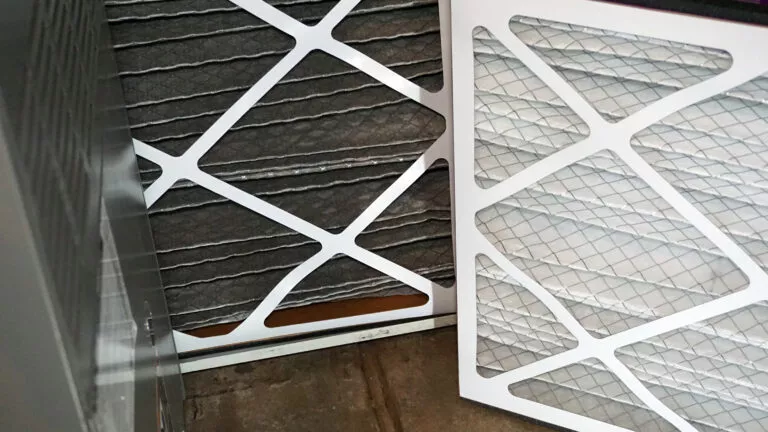
HVAC air filtration is also excellent for treating mold. High-efficiency particulate air (HEPA) filters in whole-house systems can capture a large amount of mold spores. Not only does this reduce irritant levels, but it also eliminates dust that can accumulate due to the spread of mold.
Dirt, Dust, Dander, Pollen, and Pollution
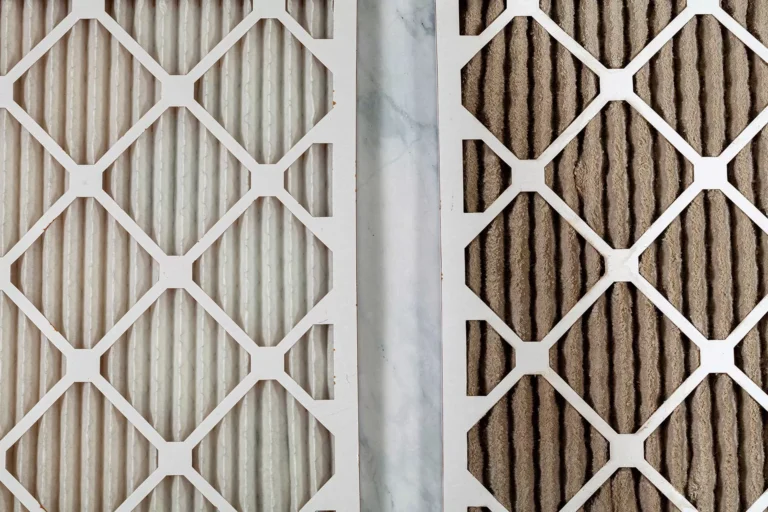
Lots of irritants float through the air. Dirt, dust, dander, and pollen can all get into your home. Outdoor air pollution, such as emissions from cars and factories, can also infiltrate your home. As particles float around, they can irritate your breathing pathways. Likewise, they can accumulate on HVAC equipment and reduce its efficiency.
Physical filtration is the best way to address these problems. Simple fiberglass filters are a cheap way to capture things like dust bunnies and pet hair. Even many advanced air scrubbers use a simple filter as a pre-filtration method to reduce the need to replace more expensive filters.
High-efficiency filters address finer particles. HEPA-grade filters, such as the ones used in hospitals, can remove 95% of the particles that are in the 0.3-1.0 micron range.
Be aware that a more aggressive filter will also cause a pressure drop in your HVAC efficiency. You may need to upgrade the blower to provide sufficient air pressure for a HEPA filtration system or an air purifier to work.
Duct cleaning is also helpful. It directly removes debris from the HVAC ducts. Likewise, clearing debris frees up airflow, improving the system throughput. This supplies more clean air, improving air quality. It also extends the life span of your HVAC because accumulated dust can strain the system.
Low Humidity
It might sound a little odd to mention low humidity after discussing moisture and mold. However, homes can also become too dry, especially in colder weather. The optimal humidity for breathability indoors is 30%-50%. This is dry enough to prevent mold growth while moist enough to keep your nose, lungs, and eyes from being irritated by dryness.
Adding a humidifier is a good way to strike this balance. A whole-house humidifier operates in line with the rest of your HVAC, adding moisture when indoor levels get too low.
Activated Carbon Filtration
Smells and chemicals also accumulate in modern homes, reducing indoor air quality. Activated carbon reacts to molecules as they float by. The porous structure also captures molecules.
Activated carbon is a good way to deal with volatile organic compounds. VOCs are chemicals that off-gas from a variety of modern products, such as:
- Building materials
- Cooking implements
- Paints
- Aerosol sprays
- Cleaning supplies
- Air fresheners
Maintenance Cycles
The maintenance cycle for IAQ systems varies, depending on the types of filters a house has. Standard fiberglass air filters require the most frequent replacement cycle at 30-90 days. HEPA and activated carbon filters require replacement every 6-12 months. You should replace a UV-C bulb annually.
You should also consider an annual HVAC tune-up. Keeping system airflow at peak efficiency will improve indoor air quality. This is also a good time to replace the UV-C lightbulb, recalibrate the thermostat, and verify that the humidifier and dehumidifier are in good condition.
Call Air Hawk Today
Air Hawk Heating and Cooling employs NATE-certified HVAC technicians. We are also licensed, insured, and BBB-accredited. Our company offers free estimates and second opinions, too. We also provide services for dryer vent cleaning and whole-home air purifiers along with HVAC installation, repair, and maintenance.
If your place in Odessa, FL, has indoor air quality problems, contact Air Hawk Heating and Cooling right away.